Global ingredient buyers once focused almost entirely on ingredient lists; now they weigh the credibility of the company behind the label. ZIPIN has turned that expectation into a working advantage. Rather than treating clean label as a marketing phrase, the company applies it across sourcing, production, and export documentation, creating the kind of consistency that international clients notice. This article examines how ZIPIN builds export-ready trust shipment by shipment, from traceable raw materials to dependable quality checks and clear communication. It also captures a broader shift in global procurement, where a supplier's reputation now matters as much as the product inside the package. ZIPIN avoids vague promises and focuses on repeatable outcomes, which matters for buyers facing strict regulatory demands. Readers following ingredient sourcing or cross-border trade will find a grounded account of how trust becomes a measurable business asset, not just a slogan.
Few things stall a harvest faster than a worn sprocket. When a combine dies mid-field or a tractor’s drive slips under load, the engine often gets the blame, but the real failure sits deeper in the power transmission system. In China’s tough farming environment, where downtime costs more than parts, that distinction matters. This article introduces Raydafon, a manufacturer that builds agricultural sprockets specifically for mud, dust, and heavy torque—conditions that chew through ordinary components. It breaks down why sprocket quality affects everything from fuel efficiency to field timing, and what separates a supplier that keeps you running from one that leaves you waiting on a replacement. You’ll also see how small design and material choices reduce wear, extend service intervals, and keep a machine in the field during the narrow window when harvest has to happen. If your season depends on machinery that cannot stop, these details matter.
Step onto the factory floor at ART and watch raw metal sheets become gleaming, fog-free glass doors for walk-in coolers. This behind-the-scenes look goes beyond the finished product to reveal the hands-on process: cutting, bending, welding, and finishing each frame, then fitting tempered glass that stays clear even in humid conditions. You'll meet the people who run quality checks at every stage, testing seals, hinges, and insulation to ensure every unit holds temperature and resists wear. The article highlights the balance between precision engineering and old-school craftsmanship—where a slight misalignment is caught and corrected by hand. Instead of polished marketing claims, it offers a real look at why these coolers are built to last, from the strength of the frame to the clarity of the glass. If you've ever wondered what separates a reliable commercial cooler from a disposable one, this tour of the ART factory gives you the details that matter, one step at a time.
When a mixing line stalls or blend consistency drifts, the real bottleneck is rarely the recipe—it’s the agitator design working against your process. This guide flips the usual approach, mapping flow patterns, viscosity shifts, and shear sensitivity before recommending a single component. That upfront analysis leads to a mixer agitator lineup that cuts energy waste and dead zones while holding tighter batch-to-batch tolerances. The discussion breaks down the key selection criteria and retrofit strategies behind optimized mixing performance. Rather than chasing formula tweaks that only mask instability, the focus stays on aligning the mechanical design with what the material actually needs. It’s a shift from reactive troubleshooting to deliberate design, and it shows up in everything from impeller choice to tank geometry. Readers will find practical ways to reduce trial and error, restore throughput, and keep line output consistent from one batch to the next. If your current mixing setup struggles with drift or uneven flow, this breakdown offers a direct path toward smoother, more predictable operation without unnecessary equipment changes.
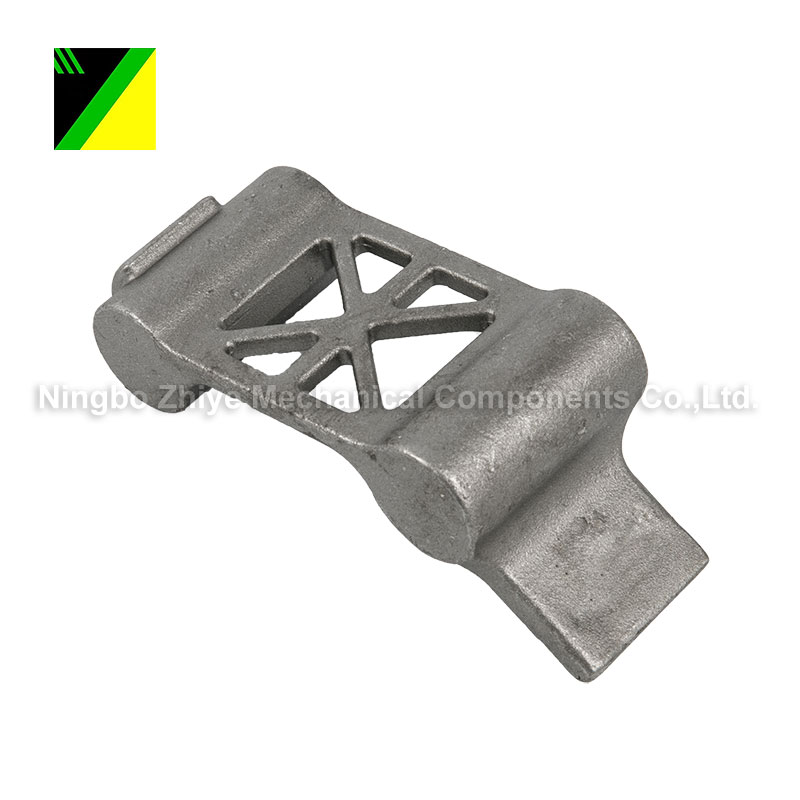
Precision parts rarely advertise their quality until they perform in the field—or fail at the wrong moment. That is why serious sourcing teams have stopped treating unit price as the main filter and started pressing suppliers on process control, material traceability, and dependable delivery across borders. This article walks through the full investment casting sequence at Supreme Machinery, from wax pattern preparation and shell construction to final inspection and shipment. It shows why the company operates less like a regional job shop and more like a true export partner for aerospace, medical, energy, and industrial applications. Along the way, it highlights the technical checkpoints, handling decisions, and repeatable practices that reduce risk before a component reaches the end user. Rather than relying on claims, the piece focuses on how the work is actually controlled—from the first pattern to the last dimensional check. For sourcing teams tired of surprise quality gaps, it offers a useful look at what disciplined export manufacturing should include.
Standard vacuum circuit breakers are designed for average installations, but your system probably isn't average. Unusual load profiles, tight enclosures, or harsh environments demand more than a catalog pick. This article explores how custom vacuum circuit breaker solutions are engineered around your actual operating conditions, rather than forcing your project to adapt to the breaker. The result is improved fit, reliability, and long-term performance in switchgear. You'll learn why tailored design matters, what it means for your equipment, and how it addresses real-world challenges that standard breakers often miss. From optimizing for space constraints to handling irregular load cycles, the piece details the practical advantages of a customized approach. If off-the-shelf components keep falling short, this article shows a better path forward—one that treats your system's specific requirements as the starting point, not an afterthought.
Most pizzerias obsess over dough and toppings, but the sauce often makes or breaks the slice. This article uncovers why the best pizza sauces rely not on extra garlic or basil, but on consistency, shelf life, and a flavor that survives the oven. It argues that settling for bland, off-the-shelf marinara is a quiet mistake, and explains what successful pizzerias have learned from working with a supplier that treats sauce as a craft. The piece highlights how a specialized partner like HONBURG FLAVORMAKER can lock in the taste customers expect, batch after batch, without shortcuts. It also discusses why consistency matters more than bold seasoning, and how the right manufacturing approach prevents the flat, metallic taste that often comes from canned sauces. For owners tired of sauce that fades under heat, this is a truly practical, honest guide to turning the sauce into a genuine advantage in every single slice.
A diagnosis of feline infectious peritonitis turns every hour into a race for hope. This piece cuts through the noise, guiding you to a dependable source for GS-441524 when time matters most. Instead of generic advice, it introduces Lucpets and the real reassurance behind their service: swift, reliable access to a therapy that gives cats a fighting chance, without the usual confusion or delays. The writing balances urgency with warmth, walking you through why trusted supply matters and how clarity can ease the weight of such a frightening moment. It’s less a typical guide and more a companion message — one that acknowledges the emotional toll and offers a practical, compassionate next step for pet parents who simply want their cat back.